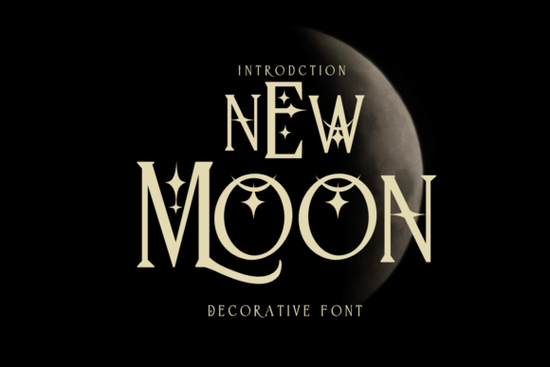
If you are searching for a typeface that brings quiet, elegant charm to your handmade or digital projects, the New Moon Font fits that space perfectly. Designed with soft, flowing strokes and a slightly irregular structure, it reads more like a carefully penned journal entry than a rigid print template. Whether you are sketching mockups for a boutique clothing line, drafting invitation layouts, or simply documenting daily thoughts, this decorative option gives your letters room to breathe while staying legible enough for customers browsing the {category} section.
Why does this style stand out from typical script libraries?
Most script collections try to look flawless, leaving them feeling stiff and uniform. This design embraces slight imperfections intentionally. The curves taper gently, and letter connections feel hand-drawn rather than algorithmically smoothed. That variation works well when you need a personal visual element that stays legible. Dropping it into a minimalist layout immediately draws the eye toward your message. It also pairs surprisingly well with structured compositions because its organic rhythm contrasts nicely with clean geometric shapes. If you experiment with texture overlays or muted backgrounds, this style adds warmth without fighting your arrangement.
When building a cohesive visual identity, designers often test multiple handwritten options before settling on a primary choice. You can find a streamlined version of this style by visiting the dedicated decorative fonts category page. Another popular selection that offers a similar relaxed vibe but with lighter flourishes is Breathe Inside. Checking both side by side lets you decide whether you prefer heavier downstrokes or airy, sweeping curves for your next campaign.
Which products benefit most from this lettering style?
Crafters usually grab this typeface for anything that needs a personal touch but still requires clear communication. Journal covers, diary inserts, and planner headers look fantastic when written in a flowing script that mimics actual pen pressure. Print-on-demand sellers often place it along the bottom hem of t-shirts or wrap it around coffee mugs where moderate letter size ensures readability at arm’s length. Social media creators also lean on it for quote graphics, weekend update templates, and event announcements because the gentle arches create a calming visual rhythm that stops scrollers mid-feed. Small business owners selling stationery sets, sticker sheets, or packaging labels find it equally useful since it conveys care and attention to detail without requiring advanced illustration skills.
If you want to see how professional studios handle letterform spacing and kerning adjustments, you can check out general typographic references using resources like New Moon Font.
How do you keep the design readable while staying creative?
The main challenge with flowing scripts is maintaining consistent sizing across mediums. For fabric printing, reduce tracking slightly so letters do not blur during heat pressing. Digital mockups allow wider spacing, which looks beautiful against dark or textured walls. Always preview artwork at actual production size before exporting. Stacking too many decorative lines causes clutter; instead, break longer phrases with simple dividers, small icons, or generous whitespace. That breathing room keeps the focal point sharp and prevents visual fatigue. Testing contrast ratios early saves revisions later, especially with muted palettes or recycled papers.
What should you verify before using it commercially?
Even though many platforms bundle these files under creator-friendly agreements, terms change regularly. Always review the current license documentation before uploading designs to marketplace stores or sending large print runs to manufacturers. Standard allowances usually cover physical merchandise sales, digital downloads, and client presentations, but broadcast advertising or resale of the font file itself typically requires an expanded permit. Keeping a simple folder with your purchase receipts and license PDFs makes audits much smoother. Most importantly, remember that buying a design grants usage rights but does not transfer copyright ownership. Treating each project with that distinction builds trust with buyers and protects your storefront from unexpected policy flags.
Quick Pre-Production Checklist
- Preview your layout at full scale to catch overlapping stems or cramped terminals
- Export vector outlines whenever possible to preserve smooth curves during scaling
- Test color combinations on both light and dark substrates before bulk ordering
- Backup your project files with version tags to track minor tweaks over time
Start by drafting a single sample piece using moderate weight settings and generous margins. Once the proportions feel balanced, apply the same spacing rules across your remaining assets for a polished, consistent finish.
Learn More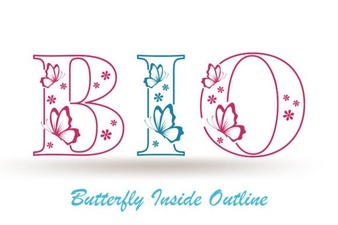 Design a Font Inspired by Butterfly Wings
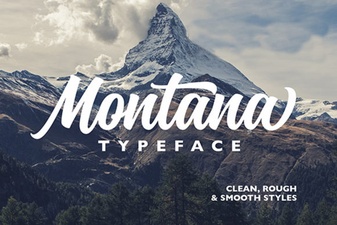 Montana Font for Unique Brand Designs
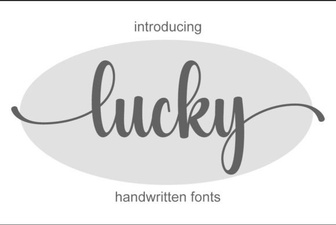 Choosing a Lucky Font for Your Design Projects
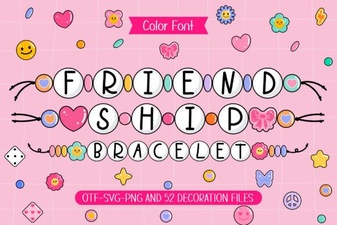 Designing Friendship Bracelet Font Alphabets & Patterns
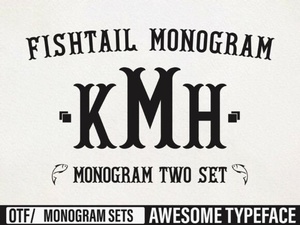 Elegant Fishtail Monogram Fonts for Stylish Projects
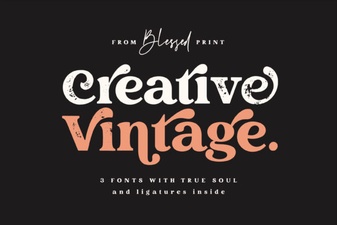 Choose Your Vintage Font Style for Creative Projects