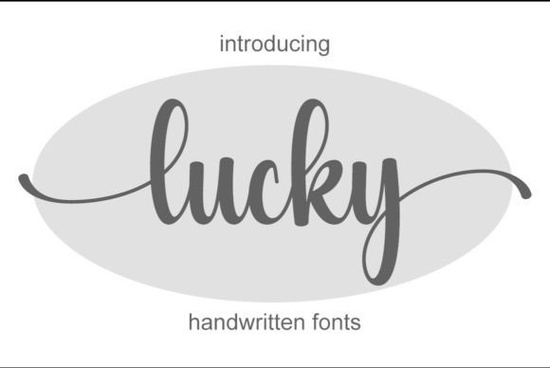
If you have been searching for a typeface that brings grace without sacrificing readability, Lucky Font is exactly what your next project needs. Designed as an elegant and delicate handwritten style, it fits seamlessly into the broader {category} ecosystem while standing out on its own. Whether you run a small boutique, design print-on-demand merchandise, or prepare formal stationery, this typeface gives you professional polish with minimal effort.
Why does this script work well for modern projects?
Handwritten typefaces often struggle with consistency or become too heavy when scaled down. Lucky solves both issues by maintaining light, refined strokes that remain legible across various screen sizes and print resolutions. The letterforms breathe easily, making them ideal for brands that want to feel approachable yet sophisticated. Crafters frequently pair it with subtle watercolor washes or minimalist line art because the delicate weight allows underlying textures to show through clearly. For online sellers, the clean counters and balanced spacing translate reliably across apparel blanks, ceramic mugs, and adhesive labels without unexpected ink spread or pixelation.
How do you actually use the glyph alternates and PUA encoding?
The file uses PUA encoding, which simply means all alternative characters live inside a single document rather than scattered across multiple downloads. You can reach these extras through your word processor or graphic design software's built-in character panel. Swapping in alternate versions of common letters or punctuation marks takes just a few clicks and instantly adds variation to repetitive text blocks. This feature saves hours of manual tracing or constantly switching between files. Hobbyists who create weekly greeting cards or monthly planner inserts find the extra shapes particularly useful for keeping layouts fresh without changing their entire aesthetic direction.
What projects match this style best?
This typeface shines brightest when you need a balance between decorative flair and everyday functionality. Here are the most common applications creators report success with:
- Logos and brand identity: The gentle curves pair well with geometric sans-serif accents or stay strong as a standalone mark.
- Social media graphics: Clean lines render sharply on mobile feeds, keeping captions readable at a glance.
- Wedding invitations and event materials: Traditional ceremonies appreciate the classic feel, while modern couples use it for casual brunch-style gatherings.
- Business cards and correspondence: Subtle elegance builds trust without overpowering contact details.
- Product packaging and retail labels: Lightweight strokes leave plenty of room for illustrations, barcodes, and compliance text.
Should you consider other scripts for contrasting moods?
Every project carries different visual requirements, and having backup options in your resource library prevents workflow bottlenecks. If you need softer, more organic movement, Willow offers sweeping connections that suit coastal or botanical themes beautifully. When a relaxed, vacation-ready vibe fits better, Beach Waves Duo provides that laid-back energy without appearing unfinished or careless. Creators working on storytelling-focused campaigns often lean toward OurStory Duo for its clear contrast between display and body text. Finally, Montana delivers a stronger, more grounded presence when your layout demands visual weight instead of delicate touches.
Where can I preview the full character set before purchasing?
Seeing how a typeface handles long paragraphs, numerals, and special symbols matters before committing to a commercial license. You can view the complete sample sheet and test drive the kerning pairs by visiting the official resource page for Lucky Font. The interactive preview window lets you paste your own copy, adjust point size, and verify that alt-glyph placement matches your editing workflow.
Practical next steps for implementation
Before adding the typeface to your production queue, run through this quick verification routine:
- Install and restart your design application so the new file loads correctly into your font picker menu.
- Test print a physical proof on your actual substrate to check stroke thinning and color interaction.
- Map the primary alternates to your preferred shortcut keys or auto-correct rules for faster daily editing.
- Verify licensing terms to confirm whether your intended use case falls under personal crafting or commercial distribution allowances.
- Save a custom preset combining point size, tracking, and vertical scale to maintain brand consistency across future uploads.
Stick to these checkpoints, and you will move from initial concept to finished deliverable with fewer revision cycles. The combination of straightforward installation, accessible glyph panels, and proven versatility makes this typeface a reliable addition to any creative toolkit. Start with a single brand mockup today to see how the lighter strokes interact with your existing color palette.
Get Started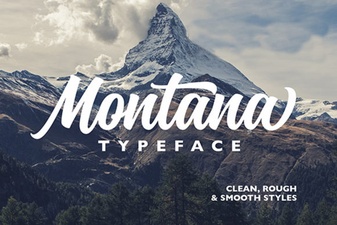 Montana Font for Unique Brand Designs
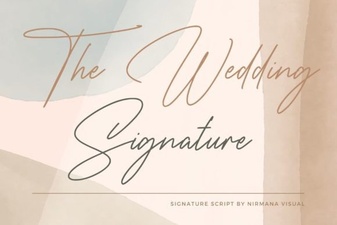 Design Your Wedding with Signature Font Elegance
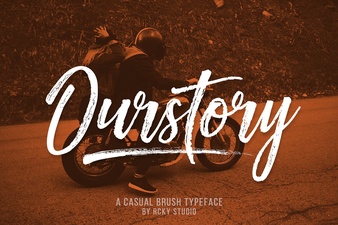 Ourstory Font Duo: Elegant Headings & Clean Body Text
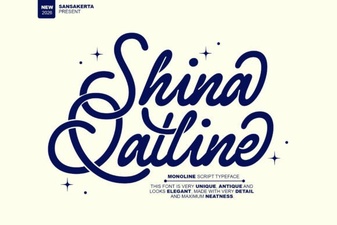 Shina Qatline Font for Modern Web Projects
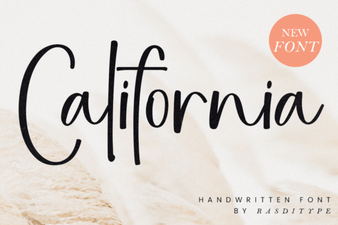 California Font: Design Inspiration & Free Download Guide
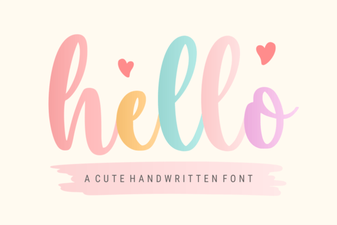 Hello Font: Fresh Designs & Creative Ideas