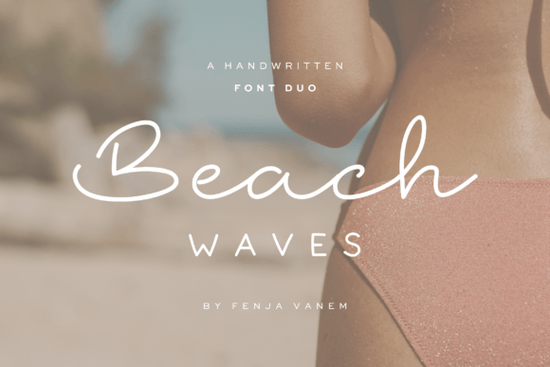
Designers, crafters, and print-on-demand sellers often struggle to find typography that feels both polished and relaxed. The Beach Waves Duo Font solves that problem by pairing a flowing script with a clean sans-serif. Whether you are designing wedding invites, printing custom apparel, or building a small business brand kit, working with two complementary typefaces saves time while keeping your visuals cohesive. The package includes two distinct styles: Tidelines and Seawashed.
What sets Tidelines apart from Seawashed?
Each typeface in this set serves a different purpose, which is why they work so well side by side. Tidelines carries a fluid, handwritten feel that mimics the steady rhythm of water moving across sand. Its strokes look polished yet personal, making it ideal for headlines, quotes, or signature elements where you want warmth and elegance. If you preview Tidelines, you will notice how the letterforms maintain readability while still feeling distinctly crafted.
Seawashed takes a quieter approach. It is a sans-serif style with subtle hand-drawn quirks that keep it from looking too rigid. Available in regular and bold weights, it handles body text, labels, and social media captions gracefully. These fonts adapt well to various design software, allowing you to layer them without worrying about compatibility issues.
How do these fonts fit into common design workflows?
Crafters and retail sellers usually look for typefaces that translate cleanly to physical products. Because Seawashed has clear letter spacing and Tidelines avoids overly tangled flourishes, both render well on mugs, tote bags, and t-shirts. Here is how most creators put them to work:
- Seasonal collections: Pair Tidelines for the main phrase and Seawashed for smaller details like material notes or care instructions.
- Event graphics: Use Seawashed Bold for strong headers and let Tidelines handle the softer accents, dates, or venue details.
- Digital planning: Layer the two fonts in Canva or Photoshop to create clean daily schedules that still feel handcrafted.
- Social templates: Set up reusable frames where the script draws the eye and the sans-serif keeps readability sharp on mobile screens.
If you prefer leaning fully into the relaxed aesthetic, you might also want to browse alternatives like the Hello Font family or explore the warm tones found in the Brown Carolina duo. Both offer similar easygoing energy without losing legibility on small prints.
Which projects actually benefit from this pairing?
Not every design job needs an ocean theme, but the underlying structure of this duo works for any content that should feel approachable and refined. Boutique brands often use it for packaging tags because the two fonts establish clear hierarchy without competing for attention. Small business owners frequently pair them with minimalist line art or soft pastel backgrounds to create logos that feel timeless rather than trend-chasing. Wedding planners also appreciate how the combination balances romance with clarity, especially when guest lists and seating charts require precise alignment. For those who prefer something more formal yet still flowing, checking out signature-style options can round out a complete bridal stationery suite.
What should I verify before adding the files to my workspace?
Before launching a production run, take a few minutes to confirm technical details. Always open the included license file to understand commercial usage limits, especially if you plan to sell finished goods. Check that your design software recognizes the OpenType features, such as ligatures or alternate characters, since these extras are what give Tidelines its polished look. If you work primarily in vector programs, trace-proof your text after finalizing the layout to prevent font substitution during printing. Users who regularly mix cursive with block letters sometimes find themselves reaching for sturdier counterparts, which is why many designers keep a backup like the Montana collection in their folder system.
Ready to start experimenting?
The best way to judge a typeface pair is to test it against actual copy rather than dummy text. Drop your own taglines, menu items, or product descriptions into a blank document, apply the two weights, and shrink the composition down to see how it holds up. Adjust tracking slightly if the script feels cramped, and remember that negative space will carry as much weight as the letters themselves.
Quick setup checklist:
- Import the .ttf or .otf files and verify installation matches your operating system.
- Create a master document with a 75% scale grid to preview small-print readability.
- Save three sample layouts using only these two fonts plus black and white.
- Export one proof PDF and compare it against a commercial mockup to spot contrast issues.
When your drafts look clean at thumbnail size, you are ready to move forward. Keep your character maps bookmarked, track your favorite combinations in a dedicated folder, and let the typography guide the rest of your visual decisions.
Get Started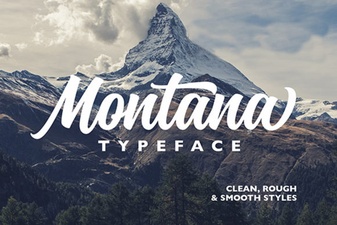 Montana Font for Unique Brand Designs
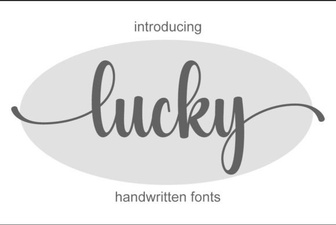 Choosing a Lucky Font for Your Design Projects
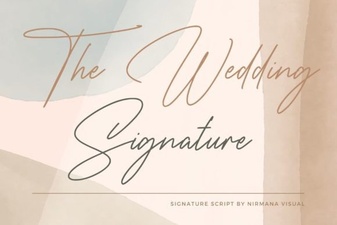 Design Your Wedding with Signature Font Elegance
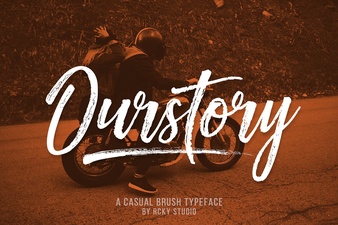 Ourstory Font Duo: Elegant Headings & Clean Body Text
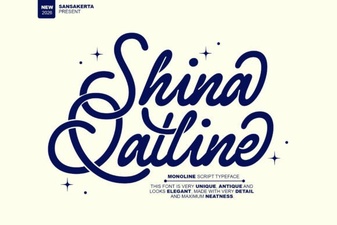 Shina Qatline Font for Modern Web Projects
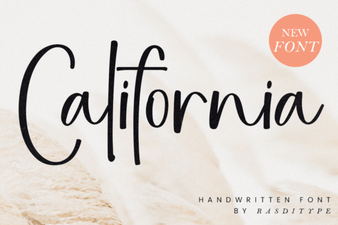 California Font: Design Inspiration & Free Download Guide