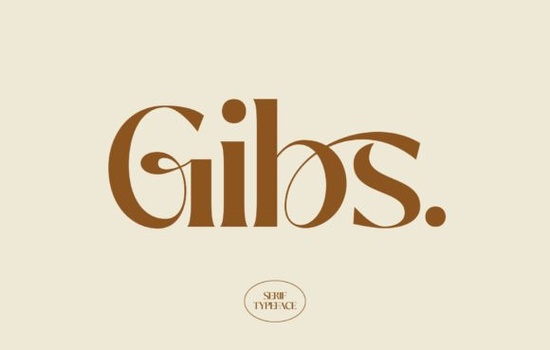
Designers, crafters, print-on-demand sellers, small businesses, and creative hobbyists often search for typography that balances readability with visual appeal. Picking the right typeface can make or break your layout, especially when scaling from digital mockups to physical products. That is where Gibs Font steps in. This stylish serif typeface blends classic elegance with modern sophistication through its refined curves and balanced proportions. Whether you are crafting a boutique brand identity, designing editorial spreads, or preparing packaging for an online store, it delivers a quiet confidence that works without shouting. The letterforms stay clean at small sizes yet open up beautifully when scaled for headers or posters.
When building a visual identity, the spacing between letters and the height of the x-height directly influence how professional a project feels. Gibs Font keeps those measurements tight enough to maintain structure while leaving enough breathing room to prevent ink bleed on physical prints. Crafters who switch from standard digital files to laser engraving or vinyl cutting will notice how cleanly the terminals slice through dense materials. If you already have a preferred serif family and want something slightly lighter, you might also check out Ronsa Serif Type for a softer alternative that still carries editorial weight.
Why does letter proportion matter for luxury branding?
Traditional typefaces sometimes lean too heavily into vintage aesthetics, which can clash with clean, minimal interfaces. This typeface avoids that trap by trimming unnecessary flourishes while preserving the subtle bracketed connections that give serifs their character. You will find it pairs easily with sans-serif body text, creating a reliable hierarchy without competing for attention. Editorial teams appreciate the consistent stroke contrast, which remains readable whether printed on matte paper or displayed on mobile screens. Graphic designers working on wedding invitations, skincare labels, or café signage can rely on these features to maintain a cohesive look across different formats. For creators who prefer a bolder display weight with similar refinement, browsing the collection at Sparky Dream Serif Display provides another solid direction.
How do you balance classic serif details with modern layouts?
Before adding any new typeface to your workflow, checking the available exports saves time during production. Most commercial bundles include standard desktop files alongside OpenType versions that support ligatures and alternate glyphs. Print-on-demand sellers should verify whether the package contains outlined vector previews or raster mockups, since high-resolution templates streamline your listing photos. Hobbyists designing custom mugs, tote bags, or planner covers will benefit from testing the characters at actual output dimensions first. Many users track their recent acquisitions by saving them to the dedicated landing page at the main showcase directory, which helps them locate download credentials quickly when reordering or expanding their asset libraries.
Which sans-serifs pair best with elegant display type?
Matching a statement serif with a clean secondary typeface creates a stable visual rhythm. Look for geometric or humanist sans-serifs that share similar stem weights and x-height ratios. Pairing options become easier when both families rely on similar mathematical grids, which reduces optical mismatch during layout composition. Business owners frequently combine these styles for storefront signage, website headers, and promotional flyers. When setting body copy under decorative titles, increasing line spacing by ten percent improves legibility on digital devices. Keeping a style guide template on hand ensures consistency across seasonal collections or client deliverables.
How can you prevent rendering errors during commercial production?
Rendering gaps usually appear when missing glyph ranges force your software to fall back on default system fonts. Always verify that your design program loads the complete family before flattening layers or exporting final proofs. Commercial printers often request outlined outlines rather than live text, which eliminates substitution risks entirely. If you encounter uneven spacing after applying tracking adjustments, check your OpenType feature settings for discretionary ligatures that might auto-trigger. Digital creators working with sublimation or UV transfer plates should preview their artwork at one hundred percent scale to catch tiny pixel shifts.
What steps should you take before launching a paid campaign?
Finalizing your typography setup requires a systematic review to avoid costly revisions. Walk through this practical checklist to keep your production pipeline smooth:
- Verify resolution and color mode match your target output method.
- Outline all text elements to lock positioning and sizing.
- Review kerning pairs around tall capitals and descending letters.
- Confirm license terms align with your intended commercial use.
Next step: Build a reusable template folder for your most frequent projects, then test three different header-and-body combinations before committing to bulk manufacturing. Updating your asset library monthly keeps your workflow efficient and ensures you have fresh variations ready for sudden trend shifts or client requests.
Explore Design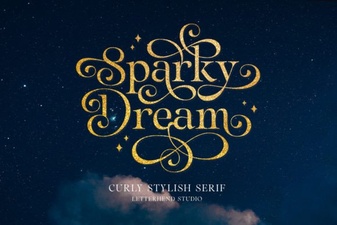 Sparky Dream: Creative Fonts for Eye-Catching Designs
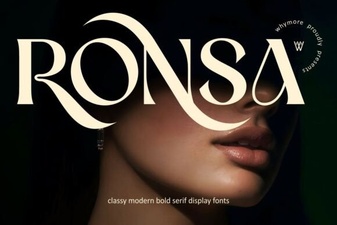 Ronsa Font: Creative Design & Usability Guide
 Montana Font for Unique Brand Designs
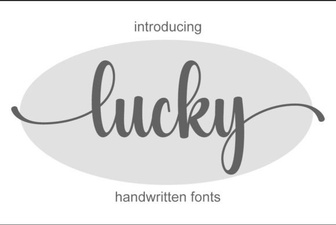 Choosing a Lucky Font for Your Design Projects
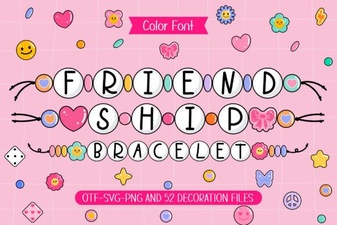 Designing Friendship Bracelet Font Alphabets & Patterns
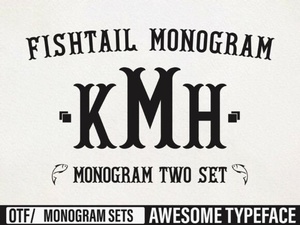 Elegant Fishtail Monogram Fonts for Stylish Projects