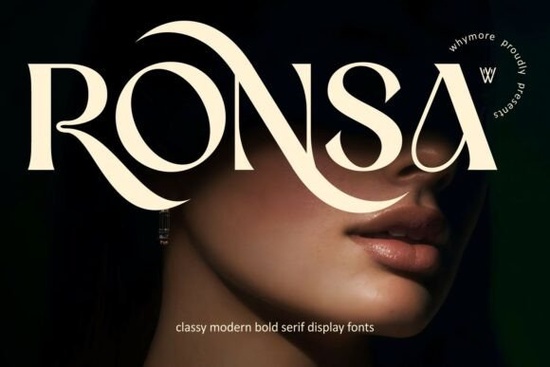
If you are looking for a typeface that brings immediate polish to your layouts, Ronsa Font offers exactly what modern brands need right now. This bold serif delivers heavy baseline weight paired with sharp, high-contrast stems, communicating confidence without feeling stiff. Designers and small business owners typically reach for it when they need headlines that command attention while maintaining a refined, upscale feel.
Why Does High Contrast Work Well for Print and Screen?
The effectiveness comes from balancing thick downstrokes with hairline upstrokes. That traditional structure reads cleanly on digital displays, yet holds up equally well when printed on thick stock or applied to physical products. The letterforms maintain a clear x-height and open counters, so readability stays intact even at smaller sizes. Tapered terminals keep the shape grounded, preventing crisp edges from appearing too harsh. Creators who split time between online stores and packaged goods appreciate how this rendering minimizes extra adjustments to tracking.
Where Should You Place Heavy Serif Headlines?
This style fits naturally into several common workflows without requiring excessive tweaking:
- Premium packaging labels and retail tags where square footage is limited
- Editorial spreads that rely on strong typographic hierarchy
- Social media templates for boutiques and lifestyle brands
- Print-on-demand apparel graphics that need to stay readable after washing
Because the weight distribution leans vertically, it pairs smoothly with clean sans-serifs or light script accents. Keep backgrounds muted since high contrast papers compete with thin strokes and can cause visual vibration on mobile screens.
How Does It Compare to Other Modern Serif Collections?
Many type designers approach bold serifs with overlapping traits, but stroke termination varies widely. If you browse curated marketplaces, you may encounter alternatives like Sparky Dream for softer rounded terminals or Gibs when you need a relaxed display silhouette. Each option solves different layout problems, but this specific choice targets luxury branding combined with contemporary minimalism. Reviewing the complete full ronsA bundle helps you observe how the entire alphabet behaves under extended use, including punctuation that often gets overlooked during quick previews.
Testing files locally before purchase remains a smart habit. Open the vector format in your design software, check currency symbols and fraction characters, and watch for missing ligatures. Oddly spaced markings usually break up tight brand guidelines. Professional suppliers provide detailed character sets to ensure consistency across invoices and retail tags.
What Licensing Details Matter for Commercial Sellers?
Crafters and POD sellers often assume standard design licenses cover all distribution channels, but digital font agreements separate screen usage from merchandise printing. Always verify whether the creator allows unlimited commercial prints or resale through wholesale networks. Some platforms include extended rights automatically, while others require an upgrade when you exceed typical project thresholds. Checking the official license summary before adding typography to your storefront prevents unexpected takedown notices later.
When planning seasonal drops, bulk licensing usually proves more cost-effective than purchasing individual tokens for each new variation. Tracking usage metrics internally helps determine if a multi-seat agreement makes financial sense once you cross ten active clients per quarter. Keeping records of purchased assets simplifies future audits and ensures consistent brand representation.
Ready to Test Compatibility Before Committing?
Run a quick mockup using your standard workspace dimensions to catch hinting issues early. Operating systems render OpenType features slightly differently, which affects swash availability. Exporting test layers as flattened images lets you spot edge artifacts before sending files to manufacturers. If you want to explore additional high-quality options beyond this selection, you can visit Ronsa Font to view updated pricing tiers and bundle configurations.
Quick Setup Checklist
- Install the font file directly from your downloads folder rather than unzipping repeatedly
- Set baseline grid alignment to match standard margins before stretching proportions
- Apply manual optical kerning when placing large initials over decorative borders
- Save layered source files separately from exported preview renders to protect your template
Start with a single headline test, measure spacing against your color palette, and adjust line height until breathability feels balanced. Once you confirm the weights hold up across both dark and light backgrounds, apply the same settings to your full project kit.
Download Now Sparky Dream: Creative Fonts for Eye-Catching Designs
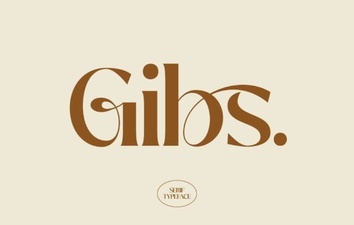 Gibs Font: Download and Creative Design Applications
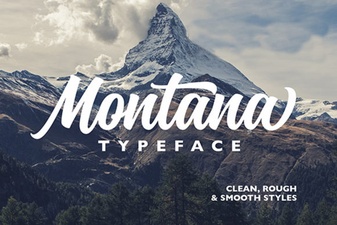 Montana Font for Unique Brand Designs
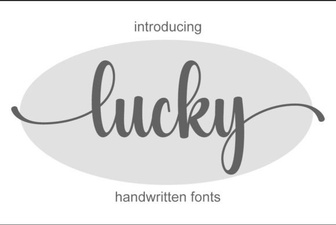 Choosing a Lucky Font for Your Design Projects
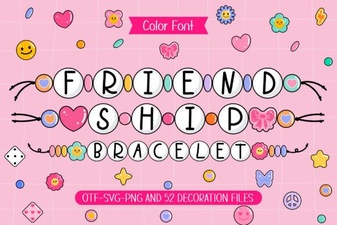 Designing Friendship Bracelet Font Alphabets & Patterns
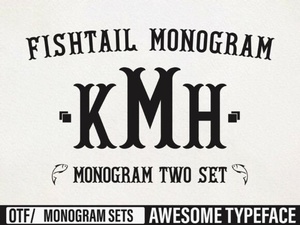 Elegant Fishtail Monogram Fonts for Stylish Projects