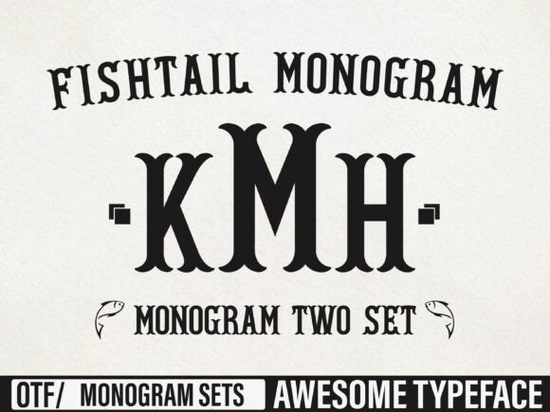
When you need a quick way to give initials a polished look, Fishtail Monogram Font delivers exactly that. The flowing curves mimic classic calligraphy without the steep learning curve, making it reliable for designers, crafters, and print-on-demand sellers who want professional results without custom lettering. You simply drop it into your software, adjust tracking, and export ready-to-cut files. If you have struggled with uneven kerning on brand assets, this face handles spacing gracefully. Within the broader {category} space, this style bridges the gap between traditional typography and modern mockups without demanding expensive licensing fees.
Why Does a Fluid Monogram Style Work Better Than Standard Serif?
Regular block letters often feel too rigid on boutique packaging or minimalist apparel. A fluid monogram brings movement while keeping legibility intact. The sweeping tails create visual interest that guides the eye across a label or tote bag. Many small business owners notice better mockup performance when replacing basic scripts with structured display faces that still read clearly at small sizes. For instance, browsing Nebulan Star Typeface shows how decorative layers perform best when anchored by strong foundational shapes.
How Do You Balance Heavy Initials With Subtitles?
Pairing matters almost as much as selection. Keep supporting text minimal and geometric to let featured letters breathe. I usually match these styles with clean sans serifs for addresses or subtle thin weights for web headers. When working on embroidery transfers or vinyl decals, sticking to two typefaces prevents cluttered layouts. Makers who experiment with softer alternatives like Cute Stories Font quickly learn how contrast levels dictate readability before production begins.
What File Types Should You Export First?
Your workflow changes depending on whether you ship digital downloads or physical goods. Vector paths work best for sign makers and large format printing, while outline versions prevent substitution errors across devices. Crafters typically prefer scalable cut files that handle layer splitting cleanly. Always preview exports at actual size to catch tight loops early. Teams that scale everything down often discover spacing issues only after ordering prototypes.
Where Can You Apply This Display Face Without Looking Repetitive?
Rather than stacking identical layouts weekly, rotate your use cases strategically. Packaging labels benefit from centered arrangements, while social media banners respond well to angled placements. Apparel printers often request transparent backgrounds with precise bleed areas, so check canvas settings before uploading. Producers who explore textured options like Steel Font appreciate how finishes interact with sharp versus rounded edges. Lifestyle brands frequently lean toward airy options such as Marshmellow Font when building boards that require gentle transitions between titles and body copy.
Is This Typeface Safe for Reselling Finished Products?
Commercial licensing varies by platform, so always verify usage rights before listing physical merchandise. Most modern marketplaces allow single-use purchases for end products as long as you do not redistribute the raw file itself. Enterprises planning limited runs usually find flat-rate creator licenses cost-effective compared to full subscriptions. Before committing to bulk orders, test your intended application against standard guidelines from Fishtail Monogram to confirm permitted distribution tiers.
Do Vintage-Inspired Layouts Still Perform Well On Current Platforms?
Nostalgic aesthetics continue driving engagement across online stores. Combining faded textures with crisp outlines creates depth without overwhelming viewers on mobile screens. Photographers often overlay these letters onto grain backgrounds to maintain vintage charm while keeping text scannable. Designers who study archival materials like Legacy College Font understand how historical proportions influence modern expectations around authenticity.
Before launching your next batch, follow this practical workflow:
- Measure final output dimensions inside your design program to prevent scaling errors.
- Flatten merged groups before exporting to protect transparency layers.
- Strip unnecessary padding around bounding boxes for cleaner file sizes.
- Save master templates in editable formats alongside production-ready variants.
Try placing your completed layout inside a realistic mockup to catch alignment shifts, adjust line spacing if letters touch during resizing, and archive project files with clear naming conventions for future revisions. Verify your license tier once, then start creating.
Get Started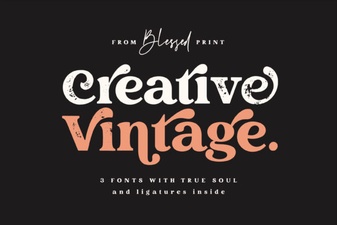 Choose Your Vintage Font Style for Creative Projects
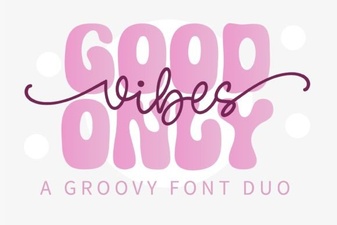 Good Vibes Only: Creative Pairing Ideas & Examples
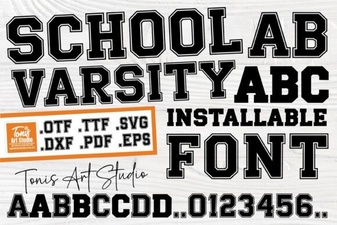 Design School Spirit with a Varsity Font Style
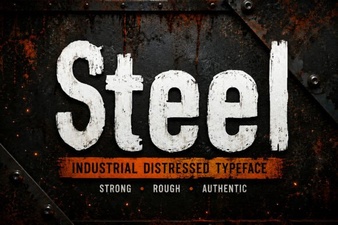 Steel Typefaces for Modern Design & Branding
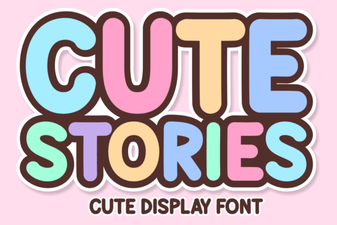 The Art of Playful Typography for Storytelling
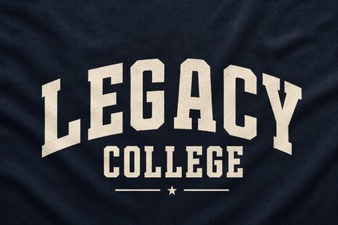 Classic Typeface Design for Modern Projects