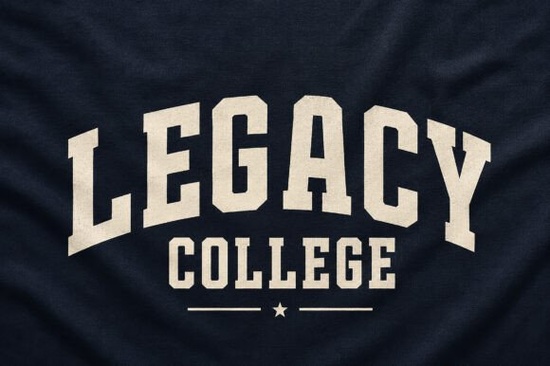
If you need a reliable typeface that instantly communicates tradition and teamwork, looking at the Legacy College Font is a smart starting point. Designed with an arched baseline and a subtle fabric grain overlay, it captures the exact feeling of weathered varsity jackets and decades of campus history. Whether you are drafting logos for local leagues, preparing artwork for print-on-demand stores, or planning a themed event package, this block-style lettering delivers immediate visual weight without requiring heavy graphic adjustments.
Why Does This Arched Block Style Fit Sports and Heritage Branding?
The layout relies on clean geometric blocks that read clearly at both large banner sizes and small garment prints. The slight upward curve along the bottom edge mimics the classic arc used on college crewnecks, helping your typography feel familiar rather than artificially created. When paired with simple line art or shield shapes, it creates a balanced composition that viewers recognize immediately as academic or athletic. Small business owners selling customized uniforms can achieve a polished look by keeping additional graphics minimal, letting the letterforms carry the brand message.
Designers often pair this style with muted earth tones, faded navy, or cream backgrounds to enhance the retro appeal. The built-in texture photographs well for product mockups, giving digital files a tactile quality that translates smoothly to physical prints. For broader inspiration on matching this aesthetic, many creators cross-reference tools in the creative vintage font category to build cohesive seasonal collections, while checking the legacy college font page itself reveals helpful layout presets for quick assembly.
How Can You Apply It to Custom Merchandise?
When creating apparel designs, focus on readability first. The heavy weight requires enough negative space around each word, especially when placed over busy patterns. Try arranging the letters in a horizontal band across the chest, then add a simple year or mascot icon below the arch to ground the layout. For hat embroidery files or vinyl cut sheets, you will need to convert the curves to clean vector paths, which typically takes only a few minutes in standard design software.
Crafters working with sublimation blanks should test color separation early, since the grain texture adds detail that sometimes softens during high-heat transfers. If the edges lose sharpness on polyester blends, switch to a solid fill version before final export. Many successful store owners rotate their catalog by swapping out single replacement words, allowing them to create fresh designs without rebuilding the foundation from scratch.
What Works Best Alongside Other Typography Styles?
This heavy display type pairs strongly with clean sans-serifs for secondary information like dates or promotional copy. A light-weight modern face keeps the hierarchy clear while complementing the substantial blocks. If your project leans more toward editorial layouts, mixing in a handwritten alternative introduces contrast without sacrificing legibility. Exploring styles such as the Nebulan Star Typeface or a flowing hand-drawn option can give your spreads a balanced rhythm that feels intentional.
Independent brands often combine bold headers with straightforward supporting text to maintain consistent visual communication across social posts and website banners. Keeping your palette limited to two or three colors ensures the typography remains the focal point. For projects that require a more relaxed tone alongside formal lettering, switching to a casual script provides the right shift.
Which Technical Details Should You Check Before Export?
Always verify licensing terms before uploading designs to marketplaces, since commercial agreements vary between regions. Most creators prefer to export high-resolution PNGs with transparent backgrounds for direct printing, but vector PDFs offer cleaner scaling for large format cuts. Testing your artwork on actual materials saves time and reduces return rates. Run a single proof sample to check how the ink absorbs and whether the curves bend correctly on curved surfaces.
Taking these steps early prevents costly revisions and keeps your workflow efficient. For additional technical references, you can review guidance on street writing font techniques or explore complementary pairing resources like the Good Vibes Only Duo set to round out your toolkit. To properly view sample configurations and download options, you can search for the Legacy College Font directly on the marketplace.
To get the most out of this lettering system, keep a structured approach ready before you begin your next batch of files. Follow the checklist below to streamline production and maintain consistency across all your deliverables.
- Proofread spelling and spacing before converting curves to outlines.
- Test color contrast on both light and dark fabric swatches.
- Export multiple formats, including scalable vectors and high-resolution raster files.
- Document your color codes and font weights in a simple spreadsheet.
- Save layered source files with clear naming conventions for easy updates.
Start with one core layout, apply it to a single product prototype, and measure customer response before expanding to larger collections. Adjust your spacing or swap supporting text only when mockup previews show a clear opportunity for improvement.
Learn More Elegant Fishtail Monogram Fonts for Stylish Projects
 Choose Your Vintage Font Style for Creative Projects
 Good Vibes Only: Creative Pairing Ideas & Examples
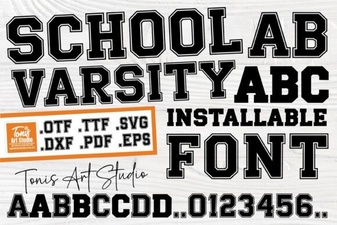 Design School Spirit with a Varsity Font Style
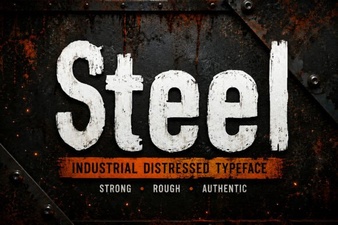 Steel Typefaces for Modern Design & Branding
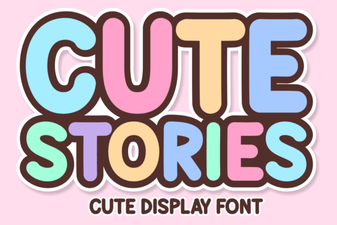 The Art of Playful Typography for Storytelling