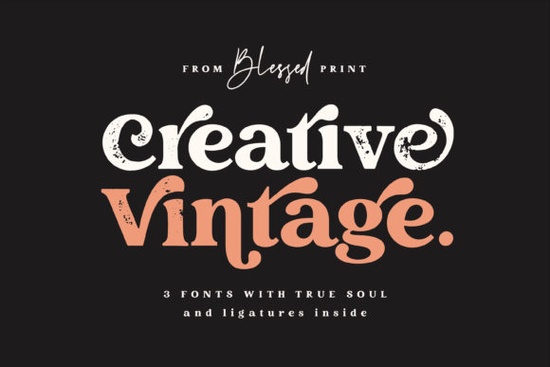
If you have ever looked for a typeface that balances strong headlines with flowing handwritten details, a display and script combination can save you hours of testing different files. The Creative Vintage Font works exactly like that: two matching pieces packaged together so you can pair bold lettering with soft cursive without guessing how they will look side by side. Whether you are designing product labels, setting up a print-on-demand shop, or working on a small business branding kit, having this kind of paired style means your projects stay consistent from the first sketch to the final file export.
What makes a matched display and script set easier to work with?
When you pick up a duo font, the real value comes from the pre-matched weights, curves, and spacing. Instead of hunting through unrelated styles to find a partner, you get one complete system. The display portion gives you clear, legible headlines that grab attention, while the script version adds warmth and personality to quotes, dates, or accent words. Because both pieces share the same baseline rhythm, they sit naturally together on posters, social graphics, or packaging mockups. For crafters and small business owners, that consistency reduces decision fatigue and keeps your output looking professional.
Where should you compare this style against other paired options?
If you prefer slightly cleaner lines for everyday typography, you might compare this vintage approach to other paired sets that follow a similar layout structure. A duo font like Good Vibes Only offers a gentler curve pattern, while the main piece leans into stronger contrast between thick and thin strokes. You can swap the headline for a more casual script when targeting younger audiences, or lock the bold version when you need immediate shelf presence in crowded marketplaces.
How do you prepare these files for commercial output?
Setting up any paired type family starts with checking installation requirements. Most modern bundles include standard TTF and OTF files along with OpenType features like swashes or alternative punctuation. Type out your core phrases to test readability at actual production sizes, then adjust letter spacing manually when combining words longer than three characters. Export previews as PNG or JPEG for client approvals, and keep a master PDF with embedded fonts for print production. Many creators review the full character map at Creative Vintage Font to verify glyph availability before purchasing a commercial license.
Which display faces complement this paired aesthetic?
Sometimes a project calls for sharper edges or urban textures that match the vintage feel. If you want geometric confidence with a modern twist, exploring a stencil-inspired face like Steel Display adds industrial crispness to packaging drafts. For playful, rounded shapes that still read clearly at small sizes, a retro gaming style such as Mario Font provides nostalgic appeal without competing with the main typeface. Loose, hand-drawn accents pair well with Street Writing, while Fishtail Monogram steps in nicely for decorative initials or signature placeholders. Mixing these carefully keeps the hierarchy clean across multiple deliverables.
What steps should you take before launching your designs?
Ready to start applying it to your next project? Run through this quick workflow before finalizing your design:
- Install all included font formats and verify activation in your software
- Type out your core phrases to test readability at actual production sizes
- Check glyph availability for special characters and currency symbols
- Set contrast ratios between text and background to meet accessibility standards
- Export layered files alongside flattened versions for different platform requirements
Keep a backup folder named with the current season and project type so future batches stay organized. Track which layouts convert best, and adjust spacing only when the overall composition feels unbalanced.
Get Started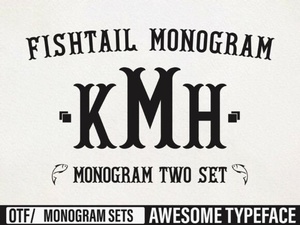 Elegant Fishtail Monogram Fonts for Stylish Projects
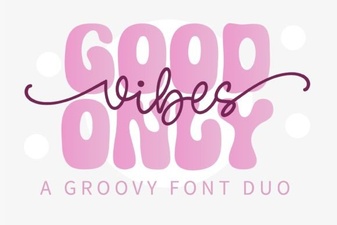 Good Vibes Only: Creative Pairing Ideas & Examples
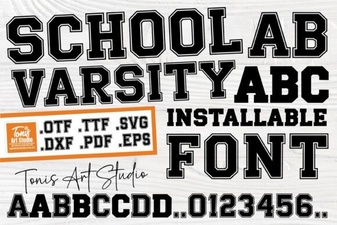 Design School Spirit with a Varsity Font Style
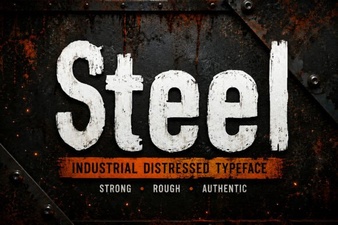 Steel Typefaces for Modern Design & Branding
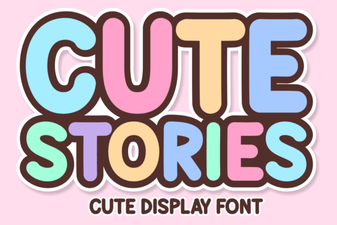 The Art of Playful Typography for Storytelling
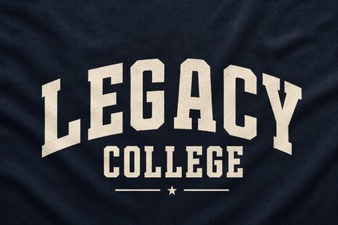 Classic Typeface Design for Modern Projects