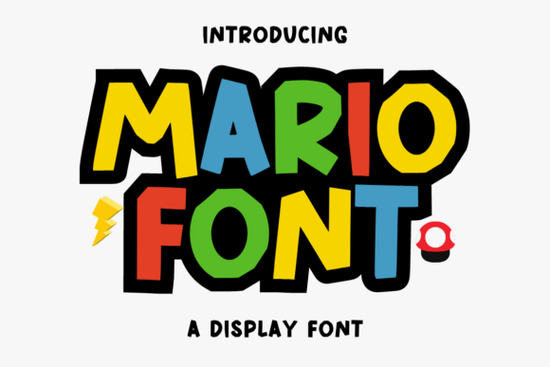
If you are looking for a typeface that instantly grabs attention without sacrificing readability, the Mario Font brings exactly that energy to your files. Designed as a bold display option, it leans into a playful yet structured layout that works well across multiple mediums. Whether you are drafting mockups for apparel, creating greeting cards for kids, or laying out motivational posters, this font delivers clean weight and rounded edges that stay legible at various sizes. Designers, crafters, and print-on-demand sellers appreciate how the consistent strokes keep layouts balanced while maintaining a fun, approachable vibe.
What makes a playful display typeface work for modern projects?
Makers and small business owners often need lettering that feels approachable but still looks professional. A heavy slab-style face bridges that gap by offering strong visual hierarchy while keeping the mood light. Rounded terminals prevent the letters from feeling too aggressive, making it a safe choice for children’s products, party invitations, and casual quote graphics. You will notice consistent stroke weights and thoughtful kerning pairs within the character set, which cuts down manual spacing adjustments significantly.
If you are building a cohesive brand identity around youth culture or weekend hobbies, pairing this family with softer sans-serif options creates a nice contrast. You might find yourself reaching for something like the Cute Stories typeface when you need to soften the overall composition, or switch to a classic athletic script for event posters that require a more traditional feel. Mixing styles helps your storefront look curated rather than repetitive.
How should you balance bold lettering with clean design?
Heavy fonts can overwhelm a canvas if you do not give them room to breathe. Start by setting a larger point size and reducing line height so negative space highlights each glyph. Test your text against muted backgrounds; the contrast will make the thick outlines pop without extra graphical elements. Center alignment works best for short statements, while left alignment handles longer copy more naturally. Proper tracking prevents the heavy shapes from colliding, especially when rotating text along circular templates.
For crafters who export files for vinyl cutting or direct-to-garment printing, verify the vector paths before sending anything to production. Bold curves sometimes create tiny overlaps during conversion, so run a quick outline preview and flatten unnecessary anchor points. If you need alternatives that share a similar structural rhythm but offer different flair, checking out the retro collegiate collection or browsing through decorative options like the elegant monogram pack gives you backup assets when a client requests a specific aesthetic shift.
Where does this style perform best for makers and sellers?
Digital creators see high returns when applying versatile lettering to evergreen niches. Think seasonal collections, personalized gifts, and printable wall art. The straightforward geometry translates cleanly to heat transfer files, sublimation blanks, and embroidered patches. Shop owners use it for taglines and social media carousels because thick strokes stay readable on mobile screens. Visiting the dedicated main showcase page helps you organize alternate weights efficiently.
When building marketplace listings, clarity beats complexity. Pair your typography with realistic mockups so buyers visualize the final output. Textured backgrounds like linen paper or matte stickers build trust faster than glossy studio shots. For additional commercial-ready options following these standards, review the official Mario Font asset page to compare sample sheets and licensing terms before downloading.
What steps should you follow before exporting your files?
- Open your design program and set a blank document to 300 dpi if you plan to cut or print physical goods.
- Type out your main phrase, convert it to outlines, and check overlapping curves before exporting as SVG or PDF.
- Test contrast by placing your text over both light and dark background squares to ensure readability across all variants.
- Organize your downloaded files into a named folder with clear version labels so future projects load quickly.
Keep your layer names descriptive, back up your working documents weekly, and stick to a consistent color palette when publishing multiple items. Following these basics will save you revision time and help your storefront maintain a polished appearance.
Download Now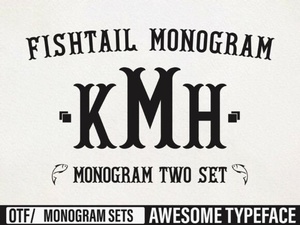 Elegant Fishtail Monogram Fonts for Stylish Projects
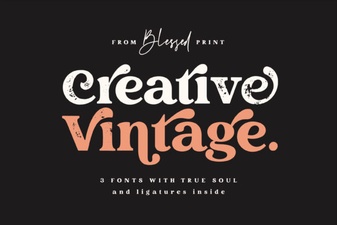 Choose Your Vintage Font Style for Creative Projects
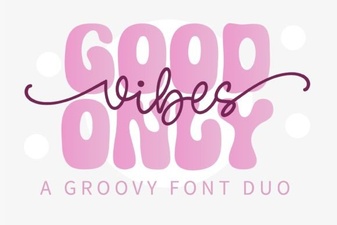 Good Vibes Only: Creative Pairing Ideas & Examples
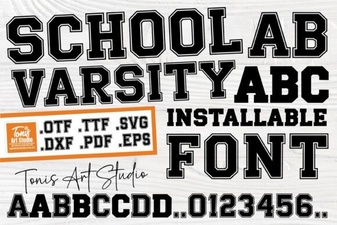 Design School Spirit with a Varsity Font Style
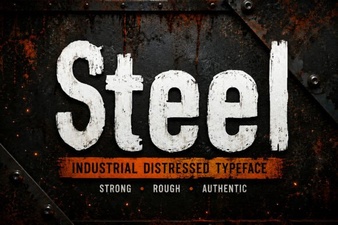 Steel Typefaces for Modern Design & Branding
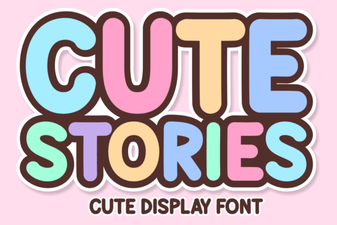 The Art of Playful Typography for Storytelling