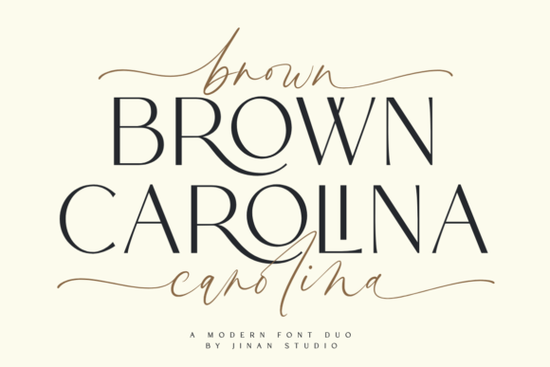
If you are looking for a typeface that balances structure with personality, Brown Carolina Duo Font delivers exactly that. Rather than forcing you to choose between rigid geometry or messy handwriting, this set pairs a clean modern sans with a flowing script in a single package. You get consistent weight distribution, ready-to-use ligatures, and enough stylistic variation to switch from headlines to signatures without leaving your design file open.
What actually separates a standard font pair from this duo?
The difference comes down to intentional contrast and technical polish. The sans portion keeps subheadings highly legible across screens and print. The script branch adds hand-drawn warmth without sacrificing readability. You will find carefully spaced kerning groups and built-in ligatures that tie letters together smoothly. Swapping alternate glyphs adjusts tails or caps depending on the surrounding context. This means fewer manual adjustments in layout software and fewer awkward gaps when lettering tight words.
Many creators appreciate how the two styles share similar x-height proportions. That shared vertical rhythm keeps mixed layouts from looking disjointed. Instead of chasing alignment tools across layers, your words sit naturally on the same visual baseline. Switching to a pre-matched set saves hours of tweaking compared to assembling random fonts.
Where do crafters and small businesses usually place these paired styles?
Wedding stationery remains a reliable application. You can drop the script on cover elements while reserving the sans serif for addresses and details. The same logic works for boutique branding, where a logo uses flowing marks and signage relies on the structured companion. Print-on-demand sellers layer both weights on apparel mockups, creating instant visual hierarchy on t-shirts and mugs. Editorial layouts also benefit from the back-and-forth rhythm, keeping long spreads from feeling flat.
Because the design handles multiple use cases without looking repetitive, you can build campaign kits around a single download. Having a cohesive pair reduces mismatched assets in template platforms. Other sets like Our Story or Willow follow similar pairing strategies, but the specific terminal shapes in this bundle give it a sharper edge for modern projects.
How do you arrange the letters so they stay readable on small products?
Start by establishing a clear focal point. Let the script carry the emotional weight through a short phrase, while the sans serif handles supporting information. Leave breathing room around curved counters, especially when cutting vinyl or printing on fabrics. Increase letter spacing by two percent if your tool does not auto-adjust tracking. Export at least 300 DPI for physical production, and test text placement at actual size before committing to a run.
Which complementary typefaces round out a complete asset library?
Building a versatile toolkit rarely relies on one download. Adding a second handwritten set gives you backup options for softer moods. Shina Qatline brings a cleaner geometric flow, while Lucky leans into playful strokes for lifestyle brands. If you frequently produce journal covers, bundling several paper-friendly scripts alongside this duo cuts down on future sourcing. A collection such as the Mega Notebook Handwriting Bundle provides extra texture without breaking your existing palette.
You do not need to memorize every available style. Keep a master folder organized by stroke width and formality. Tag files with usage notes like editorial or packaging, and preview them at thumbnail scale. When you know exactly where each typeface lives, project turnover speeds up significantly.
For creators who want to review specimen sheets and licensing terms, checking the Brown Carolina Duo Font listing gives you a quick look at glyph counts and commercial permissions.
What should you verify right after unpacking the files?
Run a quick quality check before shipping final files. Open the files and scroll through the character palette. Confirm that numerals and punctuation align with the cap height. Test a sample sentence containing double letters to verify ligature behavior. Export a small PDF proof at native resolution, then shrink it to thirty percent to spot uneven spacing. Keep your license receipt separate, and note which software versions support the OpenType features.
When you follow these steps, your files load faster, exports look cleaner, and clients receive polished work.
Quick launch checklist for your next layout
- Set your primary headline to the script variant and limit it to four or five words maximum.
- Apply the sans serif companion to all secondary text, maintaining consistent line spacing.
- Add two points of optical kerning around any tightly grouped vowel pairs.
- Preview your design on a neutral background before applying overlays or textures.
- Save a web-ready PNG and a print-ready PDF at three hundred dots per inch.
Keep a starter template saved with these default settings. Reusing the structure lets you swap new quotes, dates, or brand names in minutes rather than rebuilding alignments each time.
Get Started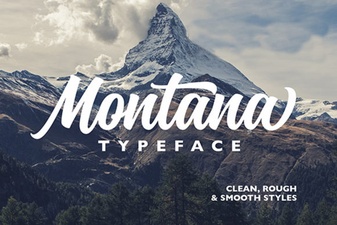 Montana Font for Unique Brand Designs
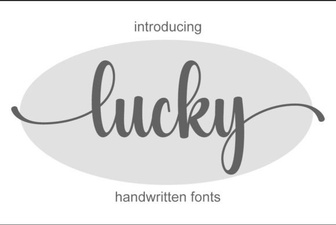 Choosing a Lucky Font for Your Design Projects
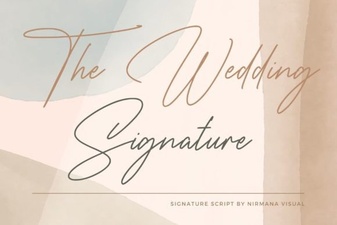 Design Your Wedding with Signature Font Elegance
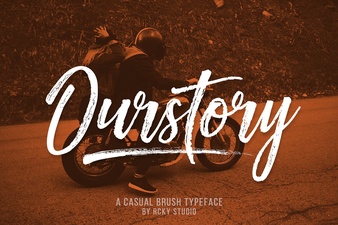 Ourstory Font Duo: Elegant Headings & Clean Body Text
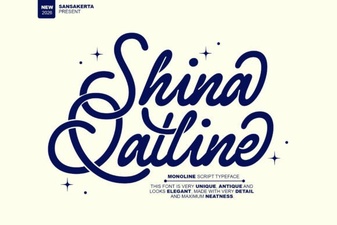 Shina Qatline Font for Modern Web Projects
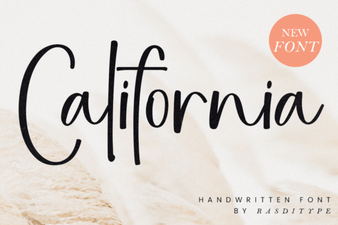 California Font: Design Inspiration & Free Download Guide