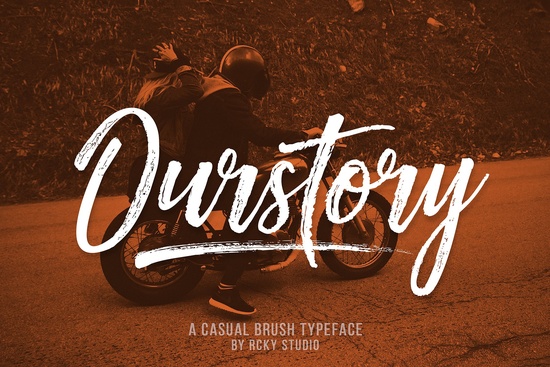
If you are looking for a typeface that feels personal yet professional, the Ourstory Font Duo Font delivers exactly that balance. You can access the complete downloadable package through the marketplace listing. This hand-drawn textured brush set captures a contemporary feel without relying on heavy decoration. Designers typically pair the flowing script characters with simpler supporting letters to build layered quotes, wedding invitations, or lifestyle brand logos. Because the strokes carry subtle variations, each placement reads more like authentic handwriting than a digital stamp.
What makes this hand-drawn brush style stand out from standard scripts?
Most brush typefaces fall into two camps: overly polished vectors or messy drafts that lack structural integrity. This duo sits comfortably between those extremes. The primary script features organic edges and variable line weight, while the matching uppercase and lowercase supports provide clean spacing. You can drop them together for a complete typographic layout, or pull just the flowing letters to highlight single words. The texture mimics real ink pressure, which translates well when scaled down for stickers or enlarged for wall art.
When applying these styles to physical products, remember that heavier textures sometimes lose detail at very small sizes. Keeping your base elements minimal ensures the brush strokes remain legible. Crafters often place the script over solid background patches or use soft drop shadows to maintain contrast without overwhelming the design.
How do creators actually use it in daily projects?
Print-on-demand sellers frequently apply this pairing to apparel and home décor because the casual elegance fits modern aesthetics. A quick layout might combine the sweeping lowercase phrase with straightforward sans-serif details for size and care labels. Hobbyists love it for journaling overlays, digital planner covers, and social media templates where a human touch matters. The font duo format also simplifies file management since all required weights and alternates arrive in a single package.
Try these quick placement rules:
- Keep kerning slightly loose; brush strokes naturally breathe better with extra space between characters.
- Avoid placing dark backgrounds directly behind thin upper strokes unless you add a light outline.
- Mix the script with a neutral geometric typeface for pricing tags and product descriptions.
Are there other similar typefaces worth exploring?
Working with one signature style often leads creators to test adjacent personalities. If you enjoy the grounded, everyday vibe of this set, you might appreciate the relaxed rhythm found in California script fonts. Projects that call for sharper brush angles usually benefit from the structured flow of Shina Qatline. When designing rustic packaging or vintage-style labels, the sturdy letterforms in Montana script fonts tend to hold up better under weathered textures. Collections built around notebook layouts, such as the handwriting bundle sets, offer consistent spacing across multiple moods, which saves time during batch production.
What should you verify before exporting final artwork?
Clean files make the difference between crisp proofs and frustrated customers. Always convert outlines before sending designs to press, especially when combining overlapping layers of brush characters. Check your color mode against the manufacturer requirements; vector previews often show RGB values that shift noticeably on coated paper. If you plan to laser engrave or vinyl cut, simplify any intersecting loops by expanding paths rather than relying on transparency masks. Running a quick preview at actual print dimensions reveals bleed issues that desktop zoom levels hide completely.
For additional reference on proper licensing tiers and commercial usage limits, review the official guidelines provided by Ourstory on Creative Fabrica.
Implementation checklist for smooth export
- Install all included font variants and verify substitution warnings in your editing software.
- Set canvas resolution to at least 300 DPI for merchandise mocks and 72 DPI for screen displays.
- Group script and support characters separately so individual adjustments do not break alignment.
- Export final artwork in SVG or PDF format, embedding colors as HEX codes for consistency.
- Save a blank state version before applying gradients or complex blending modes.
Start by testing the pairings on small print runs or digital watermarked samples. Adjust spacing gradually until the visual weight feels balanced, then lock your master layers before scaling across product catalogs. This approach keeps your workflow predictable while maintaining the hand-crafted quality that buyers recognize instantly.
Get Started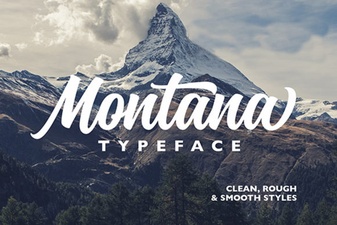 Montana Font for Unique Brand Designs
 Choosing a Lucky Font for Your Design Projects
 Design Your Wedding with Signature Font Elegance
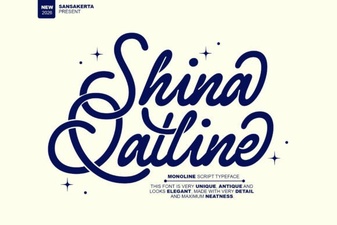 Shina Qatline Font for Modern Web Projects
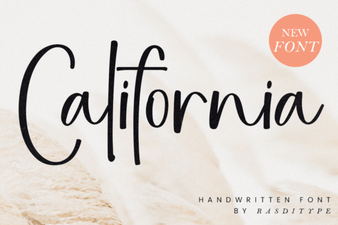 California Font: Design Inspiration & Free Download Guide
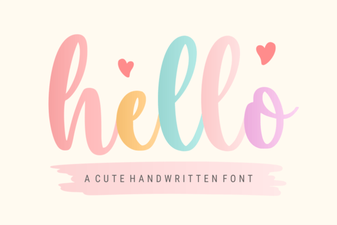 Hello Font: Fresh Designs & Creative Ideas