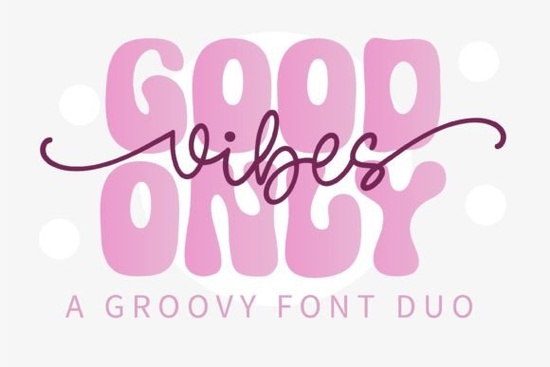
If you need a typeface that brings free-spirited energy without sacrificing readability, Good Vibes Only Duo Font handles both main messages and supporting details effortlessly. Designed as a matching pair of a bold display letterform and a flowing monoline script, it fits seamlessly into vintage layouts, boho branding, and seasonal merchandise. Whether you sell on print-on-demand platforms, craft custom stickers, or organize weekend workshops, this combination saves hours hunting for compatible pairs while keeping your visual style consistent.
What makes a retro duo font work best for modern projects?
A successful paired typeface needs balance. One piece carries attention-grabbing weight while the other guides the eye through secondary copy. This setup draws inspiration from late-sixties poster art but stays clean enough for digital screens and small-scale printing. Wide counters in the block letters prevent muddiness at smaller sizes, and the continuous stroke in the script feels hand-drawn without relying on heavy texture. Paired together, they create immediate contrast that reads well on busy backgrounds or dark apparel blanks.
How do you style it without overcomplicating your layout?
Retro typography thrives on restraint. Let the paired characters carry the visual weight instead of layering extra decorative elements over them. Keep line spacing generous, especially between block headers and cursive subcopy. Curve the baseline slightly for motion, but avoid heavy tilts that break legibility on product mockups. Place the lettering against warm neutrals or faded denim washes rather than bright neon gradients. You will also find better success keeping backgrounds uncluttered, which aligns closely with the aesthetic found when browsing curated vintage collections. For projects leaning casual, swapping the secondary element occasionally in favor of organic street-style lettering introduces fresh rhythm without clashing.
Where can creators actually use this typeface most effectively?
Sellers frequently pair this setup with graphic tees, mugs, and enamel pins because the high-contrast pairing prints cleanly across materials. Crafters appreciate how quickly it builds quote layouts for laser-cut signs and vinyl decals. Small business owners apply it to cafe menus, boutique labels, and greeting cards where warmth matters. Web designers use it sparingly for banners to inject personality without slowing load times. If your niche leans toward athletic wear or school spirit merch, compare this relaxed flow against college-style sports fonts, or test it alongside soft rounded displays to see how mood shifts across similar palettes.
Are there technical tips for maintaining consistency during production?
Always export proof files at actual production size before bulk runs. Monoline scripts lose smooth edges when stretched unevenly or rasterized early. Keep vector paths intact until the final cut, and verify kerning before flattening effects. Test on physical sample mats to prevent unwanted color shifts with fabric inks or heat-transfer vinyl. You can preview licensing terms directly through the marketplace link for Good Vibes Only Duo Font to confirm usage limits.
Which workflow steps actually save time when building retro templates?
Batch creation relies on structured layers and reusable guides. Name text groups clearly, separate headers from subcopy, and lock background layers. Build a mockup sheet with standard placements like centered quotes and stacked arrangements. Swapping content becomes a quick drag-and-drop task once frames exist. Designers using this method notice fewer revision rounds and cleaner organization when handing files to fulfillment teams.
How do you choose the right typeface family for long-term branding?
Consistency beats novelty when customers need to recognize your store quickly. Stick with one display and script combination across catalogs, social graphics, and packaging. Reserve heavier weights for limited drops rather than mixing unrelated personalities in the same campaign. Track which layouts drive sales over six weeks, then archive winners for seasonal repetition. Experimenting with cosmic retro serif options shows how subtle motifs can frame bold copy without distracting from the message.
- Verify dimensions using standard template ratios before exporting.
- Check commercial permissions for both gifts and mass-produced items.
- Save layered files in editable formats for future revisions.
- Print test samples on target substrates to catch ink issues early.
- Document grid settings so collaborators can replicate spacing rules.
Create a master document with safe zones marked for cutting lines and bleed areas. Duplicate that base file three times, replace only the text blocks in each version, and export PDFs at print resolution before uploading to manufacturing platforms. This routine cuts manual resizing errors and keeps turnaround times predictable.
Learn More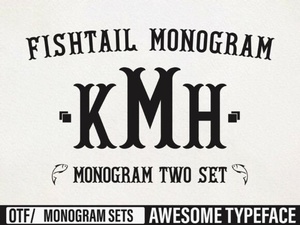 Elegant Fishtail Monogram Fonts for Stylish Projects
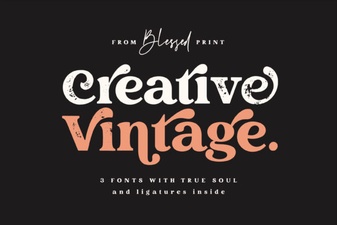 Choose Your Vintage Font Style for Creative Projects
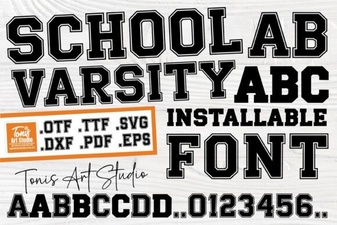 Design School Spirit with a Varsity Font Style
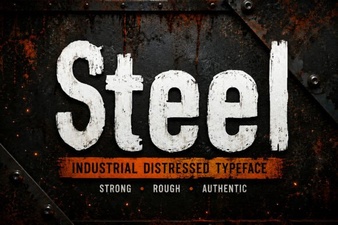 Steel Typefaces for Modern Design & Branding
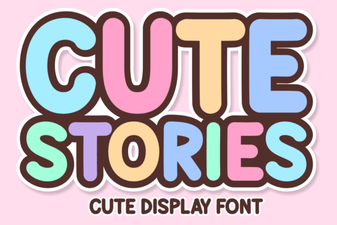 The Art of Playful Typography for Storytelling
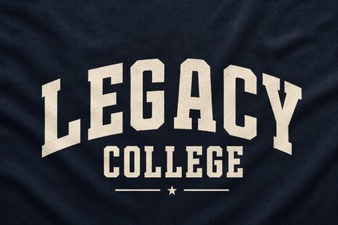 Classic Typeface Design for Modern Projects