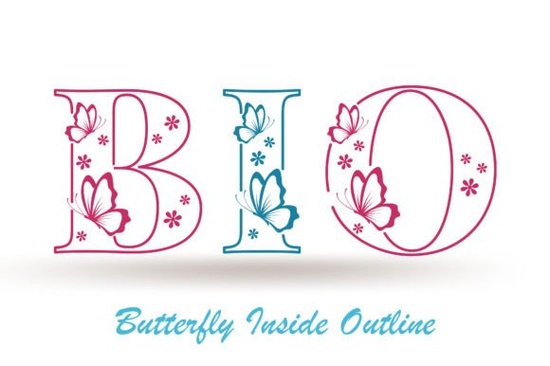
If you are looking for a typeface that adds delicate detail without overwhelming your layout, Butterfly Inside Font provides exactly that kind of refined presence. This decorative style combines flowing strokes with subtle wing-inspired flourishes, making it ideal for projects that require a soft, authentic touch. Whether you are designing boutique packaging, drafting digital invites, or preparing files for handmade markets, having access to well-crafted ornamental lettering saves time while elevating the visual quality of your work.
Why Do Ornamental Lettering Styles Stand Out in Personalized Projects?
Decorative fonts thrive when they support a specific mood rather than compete with imagery. The organic curves and built-in accents in this design communicate warmth and careful craftsmanship. Readers naturally pause at textured letterforms, which makes them excellent for short phrases, brand marks, and focal points on greeting cards. Because the shapes retain clear legibility even with their extra details, you can use them confidently across both small-scale crafts and larger promotional materials.
Crafters frequently pair these types with watercolor backgrounds, vintage paper textures, or minimalist line art. The contrast between light decorative elements and solid backing keeps the design balanced. When you apply the style to stationary art, for example, the flowing lines guide the eye toward your core message while the surrounding illustrations frame the composition. Social media creators also benefit from the ready-made elegance, since a single ornamental headline often reduces the need for heavy graphic overlays.
How Do Print-On-Demand Sellers Apply Ornate Typefaces to Physical Products?
Sellers of custom goods need files that scale cleanly and render sharply at different resolutions. A well-drawn decorative set delivers crisp edges whether it appears on a sticker, a tote bag, or a ceramic tile. To maintain consistency across multiple product mockups, place the lettering along natural curves or center it against uncluttered negative space. Testing your design at actual production size prevents unintended gaps in thin strokes or overlapping terminals.
Small business owners typically use these characters for logo variations, tagline treatments, and limited-edition drops. When preparing artwork for manufacturing, separate decorative elements from standard text layers so you can adjust kerning independently. Keeping background colors neutral during early proof stages helps you spot alignment issues before sending files to vendors. Many entrepreneurs also layer a subtle emboss effect in their printing software to enhance tactile appeal without sacrificing readability.
What Other Hand-Finished Styles Complement Elegant Decorative Typography?
Building a versatile toolkit rarely depends on a single character set. Mixing structural basics with expressive ornaments creates depth and hierarchy in any layout. If you need softer contrast alongside your main headline, you might also want to explore complementary display sets with a similar vintage texture. Exploring curated collections like those found in hand-lettered botanical categories helps you maintain cohesive palettes across campaigns.
Designers often rotate through three to four complementary families per season. Keep one grounded sans-serif for body copy, one structured serif for quotes, and reserve fully ornamented sets for titles or accent blocks. This approach prevents visual fatigue and ensures your audience recognizes your brand rhythm over time. Testing combinations at reduced sizes beforehand confirms that fine details survive compression and printing limitations.
For additional reference on how professionals integrate theme-specific glyphs into client briefs, you can review case studies around Butterfly Inside Font usage patterns in modern stationery workflows.
Quick Setup Checklist Before Exporting Your File:
- Confirm the spelling matches your final proof by running a manual audit.
- Outline all text layers if your printer requires editable-free vectors.
- Check color profiles (CMYK for print, RGB for digital sharing).
- Leave generous margins around ornamental endpoints to avoid clipping during cutting or wrapping.
Start with a small test print to verify stroke thickness and spacing accuracy. Adjust kerning slightly wider on display pieces, then lock your tracking once the layout feels complete. Save backup copies in both source and flattened formats so you can adapt quickly for different vendor requirements.
Explore Design New Moon Font: Creative Projects & Design Guide
 Montana Font for Unique Brand Designs
 Choosing a Lucky Font for Your Design Projects
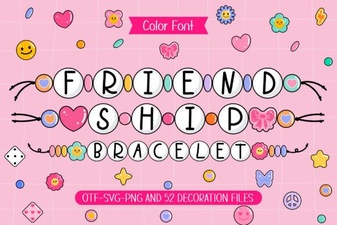 Designing Friendship Bracelet Font Alphabets & Patterns
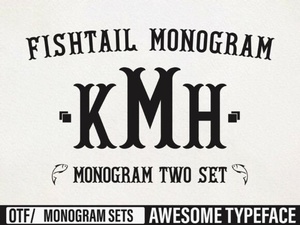 Elegant Fishtail Monogram Fonts for Stylish Projects
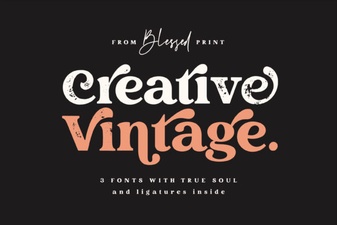 Choose Your Vintage Font Style for Creative Projects