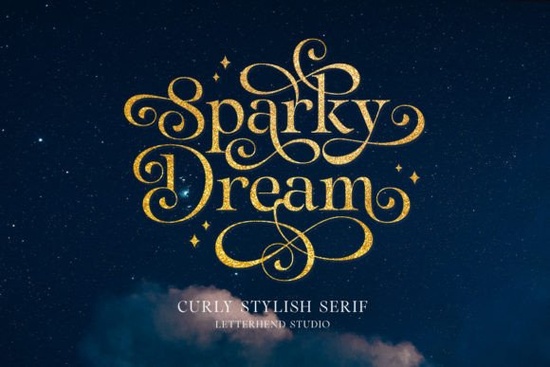
If you have been searching for a serif typeface that brings a quiet sense of sophistication without overpowering your layout, the Sparky Dream Font is worth your attention. Designed with graceful curly swashes and a balanced stroke width, this font works well across multiple creative fields. Whether you are drafting event announcements, building a boutique brand identity, or preparing files for print-on-demand products, the letterforms lend a timeless quality that reads clearly at any size.
What sets this serif typeface apart from standard alternatives?
Most modern serif fonts lean heavily into geometric precision or ultra-thin details, which often limits their versatility in physical printing. This style bridges that gap by pairing sturdy x-heights with flowing decorative terminals. Those swashes do not interfere with readability, yet they add enough character to make wedding stationery, luxury packaging, or editorial headers feel handcrafted. When paired with simpler sans-serifs, the contrast creates visual hierarchy without needing extra formatting.
The font maintains consistent spacing even in longer paragraphs. Ligatures and alternate characters are pre-tested to prevent awkward overlaps, saving hours during layout. You will notice fewer kerning adjustments required compared to highly stylized scripts, making it easier for beginners and seasoned typographers alike.
Where does this font perform best in actual projects?
The straightforward anatomy of each glyph makes it highly adaptable across different mediums. Print-on-demand creators frequently apply it to apparel mockups because the curves render cleanly on various fabrics. Crafters appreciate how the swashes guide the eye along quotation blocks or name banners, while small business owners rely on its professional tone for invoices, catalogs, and storefront signage. Digital designers often reserve it for hero text where a single line needs to carry emotional weight.
If you need a reliable backup option that shares a similar classical direction, exploring Ronsa Serif or Gibs Typeface provides complementary shapes for extended project suites. Each alternative offers distinct terminal treatments, but they all prioritize legibility alongside decorative appeal.
For those specifically reviewing this style, the dedicated catalog entry covers file organization and licensing details upfront. You can browse the full assembly here to verify commercial usage rights before beginning production.
What technical formats and weights are included?
Designers typically receive a complete suite of OpenType and TrueType files compatible with major vector and raster applications. The download includes regular, italic, bold, and semi-bold variants, allowing smooth transitions from body copy to prominent headlines. Many users report success converting outlines for CNC routing and vinyl cutting machines, though testing a sample cut remains necessary for thicker strokes.
File sizes stay reasonable even with included alternates. Checking compatibility notes prevents unexpected rendering glitches in older software versions. Most graphic editors recognize OpenType features immediately, so enabling discretionary ligatures usually requires just one click in the typography panel.
How should you prepare files for commercial use?
Before uploading designs to marketplaces or sending them to production partners, run a standard preflight check. Verify that outlines are properly embedded and color profiles match the printer’s requirements. Keep a high-resolution proof handy when applying tight tracking, since fine swash details may soften during compression.
- Embed fonts directly in PDF exports rather than relying on system availability.
- Test contrast ratios against background colors to maintain accessibility standards.
- Export vector formats whenever possible to preserve curve integrity.
- Keep a backup copy of the original font files separate from finished project folders.
Quick setup tip for smoother workflows
Assign custom keyboard shortcuts for alternate swashes and ligatures. Working manually through menus slows down repetitive tasks, especially when designing multiple labels or batch-generating artwork. Setting up basic hotkeys cuts processing time and keeps spacing consistent.
If you want to explore the complete character set or review commercial guidelines, visit the official Sparky Dream resource. To keep your workflow efficient, follow this quick checklist before submitting final files:
- Convert all text to outlines or embed the font family in your export settings.
- Zoom to 400% to spot any overlapping swashes or broken curves.
- Verify commercial license terms match your intended sales channel.
- Save a flattened preview image alongside the editable source file.
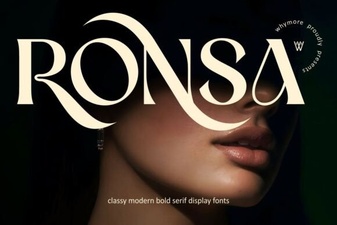 Ronsa Font: Creative Design & Usability Guide
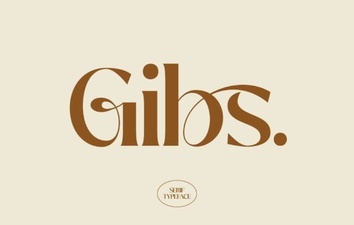 Gibs Font: Download and Creative Design Applications
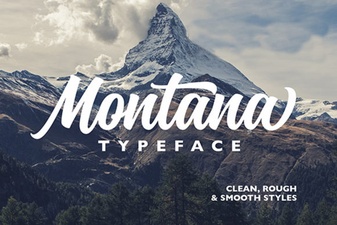 Montana Font for Unique Brand Designs
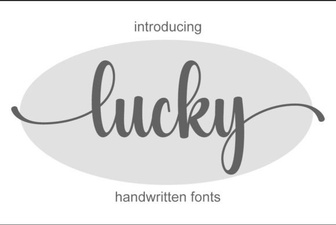 Choosing a Lucky Font for Your Design Projects
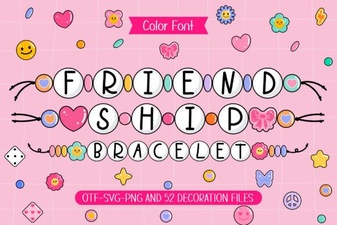 Designing Friendship Bracelet Font Alphabets & Patterns
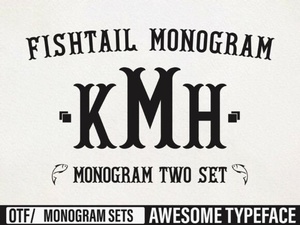 Elegant Fishtail Monogram Fonts for Stylish Projects