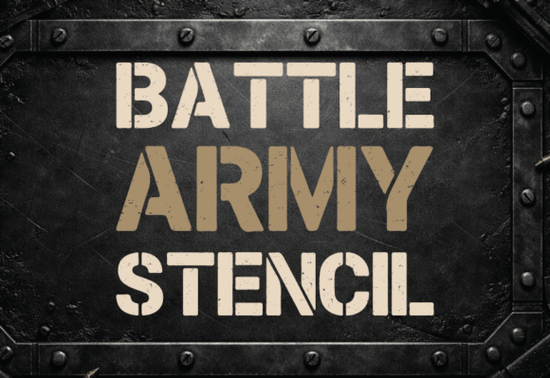
If you need a typeface that immediately communicates toughness without sacrificing legibility, the Battle Army Stencil Font delivers exactly that kind of visual impact. This style pulls direct inspiration from classic battlefield stencils and field equipment labeling, blending sharp geometric shapes with intentional weathering. The result is a clean sans-serif skeleton wrapped in scratched edges and worn ink patterns that feel lived-in rather than artificially broken up. For crafters, print-on-demand creators, and small business owners who work in tactical, outdoor, or action-oriented niches, having a reliable stencil font removes the guesswork behind layout and styling.
Why does a distressed military typeface stand out in crowded markets?
Most modern design software defaults to polished, corporate-safe lettering. That uniformity works well for healthcare or finance, but it falls flat when you are selling tactical gear, creating gaming thumbnails, or designing YouTube channel art for competitive shooters. A weathered stencil breaks through that visual noise because it carries built-in context. You do not need heavy graphics or stock photography to tell viewers what your project is about. The lettering itself signals durability, precision, and function. When paired with muted earth tones, high-contrast backgrounds, or simple badge shapes, the text becomes the focal point without feeling loud or cluttered.
Which projects actually benefit from rugged stencil lettering?
The versatility of this style comes from its ability to sit comfortably across both digital and physical mediums. Here are the areas where it consistently performs well:
- Print-on-demand apparel: Works cleanly on unisex tees, hoodies, and caps when placed chest-center or along sleeve seams.
- Gaming and streaming assets: Ideal for tournament banners, Discord headers, and video thumbnails where quick readability matters.
- Tactical and survival branding: Fits naturally alongside compass icons, barbed wire accents, or topographic map textures.
- Social media covers: Holds up at smaller screen sizes because the heavy weight and wide spacing prevent blurring.
- Workshop and studio signage: Practical for lab coats, tool organization, or safety warning labels that require bold, scannable text.
Is it possible to balance grit with everyday readability?
Absolutely. The secret lies in treating the weathering effects as surface texture rather than structural distortion. Keep your line weights consistent and avoid overcrowding letters with extra scratch marks or ink bleeds. If you plan to use the font for long headlines, set slightly wider tracking to let the distressed edges breathe. Pair it with a clean supporting typeface for body copy or subtitles. You can explore additional variations by checking out a Battle Army Stencil style library when you need matching thin weights or script alternatives for contrast. Moving between heavy stenciled headings and light secondary text creates a natural visual hierarchy that guides the viewer’s eye without straining it.
How should I prepare these files for physical production?
When moving from screen to substrate, the printed finish will dictate how much detail survives. Direct-to-garment printing handles intricate scratches well, but heat transfer vinyl requires you to separate background patches from delicate inner bridges. Always check the smallest connector lines before weeding, and consider simplifying the outer texture if your material has limited tension tolerance. For paper goods like event flyers or sticker sheets, switch to a matte laminate to keep the worn look from reflecting light. If you regularly source typeface packs, reviewing complementary sans-serif collections helps you build consistent families that share spacing rules and weight distribution.
What file formats and licensing should I verify before uploading?
Most commercial design workflows run smoothly with TrueType or OpenType formats, but always confirm the installation path matches your operating system. Check the license terms for print-on-demand volume limits, marketplace resale rights, and personal versus commercial usage tiers. Keeping a dedicated folder for each project preserves your original .OTF files while you export flattened PNGs or SVGs for vector editing. Maintain a version log so you know which build includes the full character set, ligatures, and alternate glyphs.
Quick launch checklist for new campaigns
- Test headline length against mobile viewport widths before finalizing artwork.
- Run a proof print on your actual blank substrate to catch color shifts or texture loss.
- Export background layers separately to allow quick color swaps for seasonal drops.
- Save master files in editable formats alongside compressed web-ready exports.
Start by picking one clear application, draft a tight composition using only three elements, and iterate until the text stands alone without relying on decorative props. Consistent practice with structured spacing will help you move faster while keeping the finished work looking professional and market-ready.
Learn More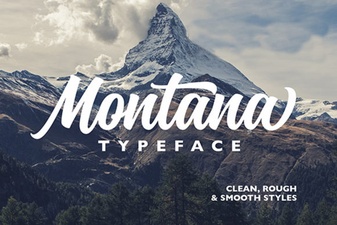 Montana Font for Unique Brand Designs
 Choosing a Lucky Font for Your Design Projects
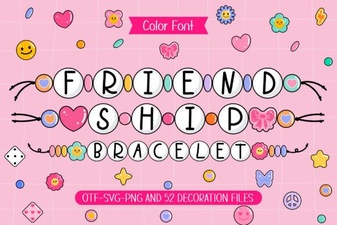 Designing Friendship Bracelet Font Alphabets & Patterns
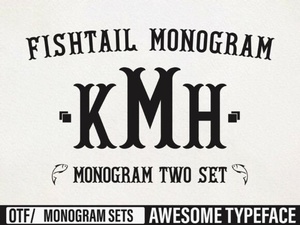 Elegant Fishtail Monogram Fonts for Stylish Projects
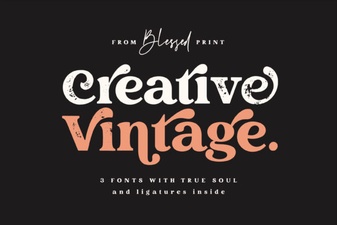 Choose Your Vintage Font Style for Creative Projects
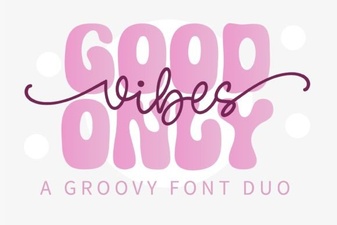 Good Vibes Only: Creative Pairing Ideas & Examples